
Connected car hacking: Who’s to blame?
2017-01-09
I’ve just about recovered from the sensory overload that is CES to gather my thoughts from what was another fascinating event. This blog, on connected car hacking, is the firstRead More →

I’ve just about recovered from the sensory overload that is CES to gather my thoughts from what was another fascinating event. This blog, on connected car hacking, is the firstRead More →

Bootmode exploit gave attackers ability to hack modem, eavesdrop on calls. Google has shut down a “high-severity” exploit in its Nexus 6 and 6P phones which gave attackers with USBRead More →

Based on statistical data gathered by Sucuri from 7,937 compromised websites, WordPress, Joomla, and Magento, in this order, continued to be the most hacked CMS platforms in the third quarterRead More →

The “ActionFraud” UK National Fraud & Cyber Crime Reporting Center has issued an alert this week to UK educational institutes, warning against cyber-criminals cold-calling British schools and tricking staffers intoRead More →

ClearSky Security discovered a new campaign conducted by the Iranian OilRig APT leveraging digitally signed malware and fake University of Oxford domains. The OilRig hacker group is an Iran-linked APT that has been aroundRead More →

Executives still looking into the deal, it seems. Verizon is once again unsure whether to complete the takeover of Yahoo or not, after the company recently acknowledged a 2013 hackRead More →
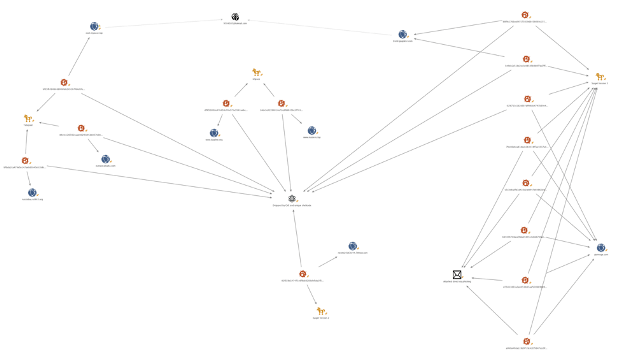
The China-linked DragonOK continues updating tools and tactics and targeted entities in various countries, including Russia and Tibet. It was September 2014, when security researchers at FireEye spotted for the firstRead More →
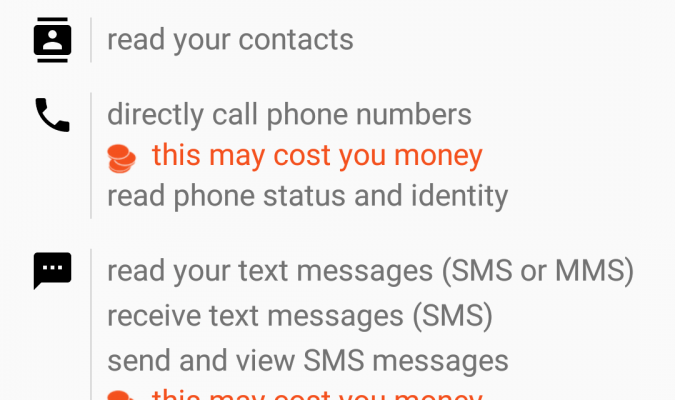
Zscaler experts have found in the wild a fake version of the Super Mario Run Android App that could install the Android Marcher banking trojan. Bad news for mobile gamers,Read More →
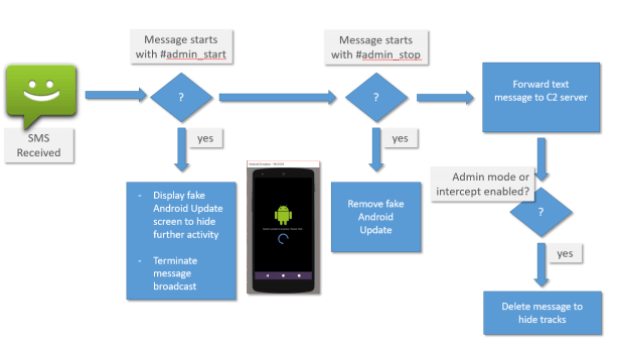
My friends at CyberBlog decided to analyze the GM Bot Android Malware as exercise aiming to receive feedback sand suggestions from the security community. The sample explored is confirmed as a variantRead More →
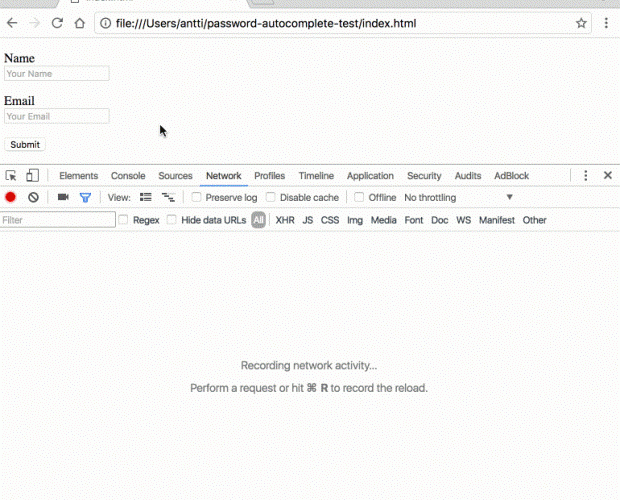
Browser autofill profiles are a reliable phishing vector that allow attackers to collect information from users via hidden fields, which the browser automatically fills with preset personal information and whichRead More →