
Meet PINLogger, the drive-by exploit that steals smartphone PINs
Sensors in phones running both iOS and Android reveal all kinds of sensitive info. Smartphones know an awful lot about us. They know if we’re in a car that’s speeding,Read More →
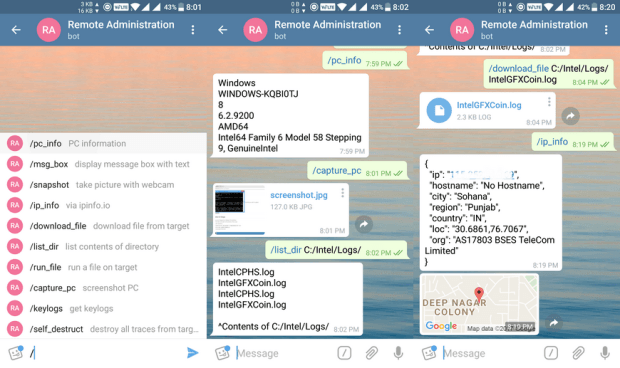

Someone has created a new Remote Access Trojan (RAT) that uses the Telegram protocol to steal user data from infected devices. The RAT is written in Python and is currentlyRead More →
A new ransomware as a service (RaaS) called Karmen has been discovered by security researchers at Recorded Future. This service allows anyone, including novices, to set up an account andRead More →
It’s Friday, which means it’s time for another episode of “Which Restaurant Chain Got Hacked?” Multiple sources in the financial industry say they’ve traced a pattern of fraud on customerRead More →
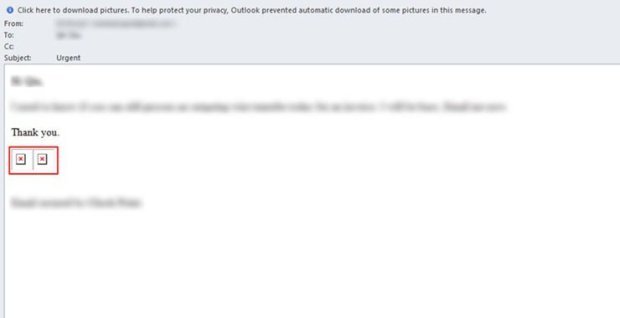
A simple email marketing trick is also abused by cyber-criminals, who are employing a technique known as “pixel tracking” to gather information on possible targets or to improve the efficiencyRead More →
Spammers are spreading Java-based remote access Trojans, known as jRATs, targeting tax filers with attachments named “IRS Updates.jar” and “Important_PDF.jar” that, if executed, give attackers access to compromised endpoints. Zscaler, which isRead More →
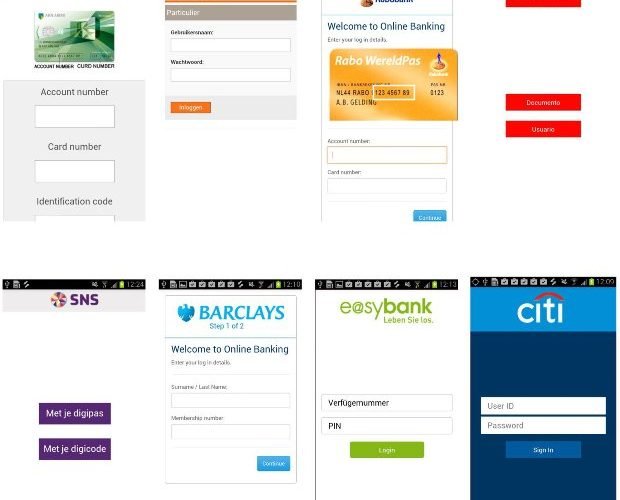
The BankBot Android banking trojan is giving Google engineers headaches, as this particular piece of malware has a knack for avoiding Google’s security scans and reaching the official Play StoreRead More →
Like many inventions, the internet was the work of countless hands. But perhaps no one deserves more credit for that world-changing technological leap than Robert W. Taylor, who died onRead More →
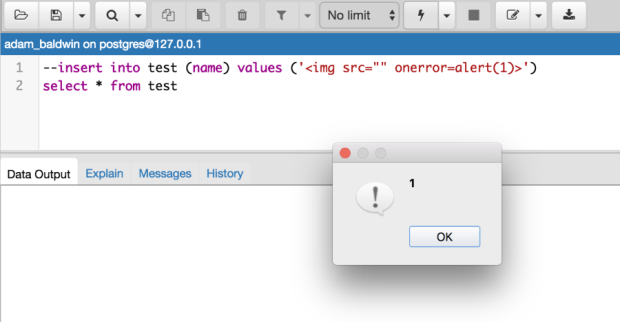
This is the story of how I found and exploited XSS (content injection) in the pgAdmin4 1.3 desktop client. (Before I get too much further if you use pgAdmin 4Read More →
Browsers such as Chrome, Firefox, and Opera are vulnerable to a new variation of an older attack that allows phishers to register and pass fake domains as the websites ofRead More →