
MailChimp accounts hacked to spam out malicious emails
Let me start with some full disclosure: I pay MailChimp a decent wedge of cash each month to send out newsletters to readers of my personal blog, and I’m quiteRead More →
CAUTIOUS COMPUTER USERS put a piece of tape over their webcam. Truly paranoid ones worry about their devices’ microphones—some even crack open their computers and phones to disable or removeRead More →
This article will focus on teaching analysts on analysing malicious JavaScript code within the HWP files and a walkthrough of how we can analyse .HWP files that was used toRead More →
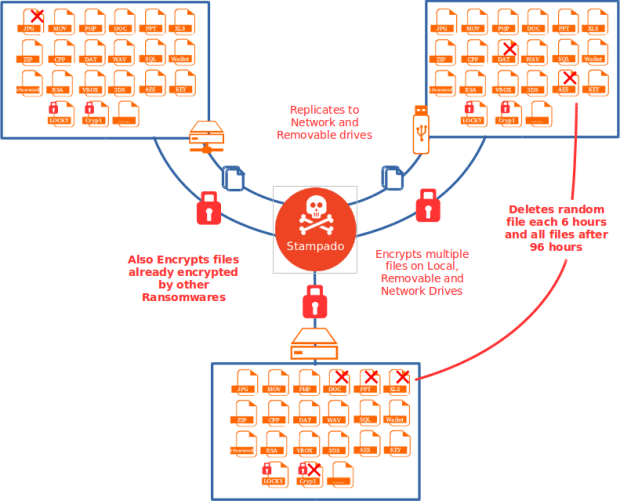
Stampado is one of the many new ransomware strains we have seen in 2016. Stampado was first seen in the wild in July 2016, as one of the cheapest piecesRead More →
A researcher has released a proof-of-concept exploit for a vulnerability in the Network Time Protocol daemon that could crash a server with a single, malformed packet. The Network Time Foundation’sRead More →
In January, Motherboard reported on the FBI’s “unprecedented” hacking operation, in which the agency, using a single warrant, deployed malware to over one thousand alleged visitors of a dark webRead More →
Scriptless exploit bypasses state-of-the-art protections baked into the OS. Recently released exploit code makes people running fully patched versions of Fedora and other Linux distributions vulnerable to drive-by attacks thatRead More →
Israeli hacker Amihai Neiderman needed three days to hack into Tel Aviv’s free public Wi-Fi. He only worked during the evenings, after he came home from his full-time job asRead More →
A botnet of IoT (Internet of Things) devices created with the Linux/Moose malware is behind many bots that are plaguing social networks such as YouTube, Periscope, Twitter, and Instagram, aboveRead More →
News investigations show office supply chain sold unneeded fixes for $180. Office Depot and its sister retailer OfficeMax have stopped using a technically dubious piece of malware-scanning software after twoRead More →
Adversaries who have compromised one system in a network frequently hijack the network traffic of other systems on the same subnet to intercept passwords, infect software downloads and updates, spyRead More →
The case of the Netis router firmware backdoor shows you that even if a company puts out a patch to resolve security issues, the problem lingers on for years, asRead More →
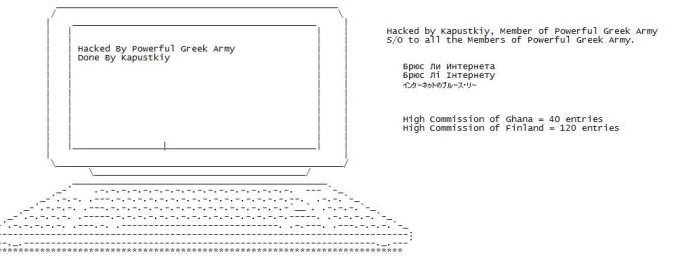
SQL injection exposes nearly 20,000 usernames and passwords. The Hungarian Human Rights Foundation website was hacked a few minutes ago by Kapustkiy and CyberZeist, who managed to get access toRead More →
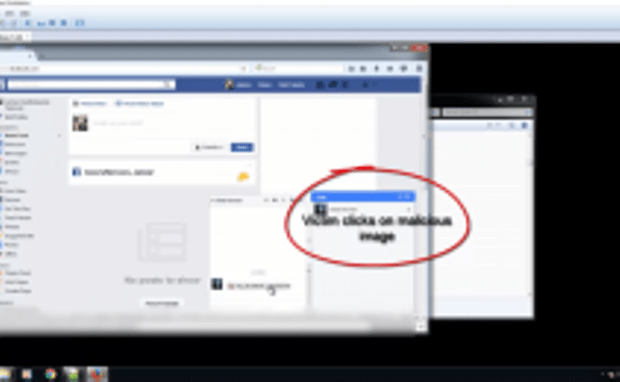
Researchers have discovered a new hacking campaign leveraging on Facebook Messenger to spread the Locky ransomware via SVG images. The Locky Ransomware is spread via a downloader, experts noticed that it isRead More →
After crimes in Taiwan and Thailand, the FBI warns of similar potential attacks in U.S. Cybercriminals who once earned millions by breaking into individual online bank accounts are now targetingRead More →
Several high-profile Twitter accounts got hacked last night to start posting links to services that are supposed to help users get free followers. The hacked accounts included @PlayStation, Microsoft’s @XboxSupport,Read More →
The hackers call hotels, then send email attachments that look like customer information Hotel and restaurant chains, beware. A notorious cybercriminal gang is tricking businesses into installing malware by callingRead More →
The popular security expert Robert Graham, CEO of Errata Security, has explained how the Mirai botnet could hack a security camera in a few seconds. The recent string of attacksRead More →
Hacker Kapustkiy breached into an Italian Government website (Dipartimento della Funzione Pubblica) exposing 9,000 users of 45,000. A few days ago I was contacted by a young hacker that breachedRead More →
Firmware that actively tries to hide itself allows attackers to install apps as root. Almost three million Android phones, many of them used by people in the US, are vulnerableRead More →