Lurk Banker Trojan: Exclusively for Russia
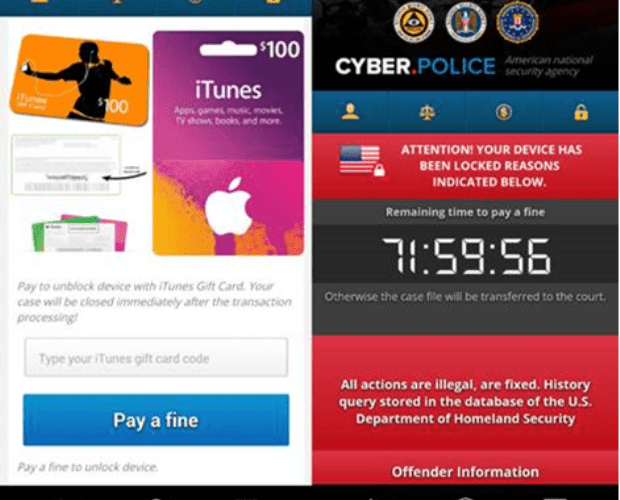
One piece of advice that often appears in closed message boards used by Russian cybercriminals is “Don’t work with RU”. This is a kind of instruction given by more experiencedRead More →
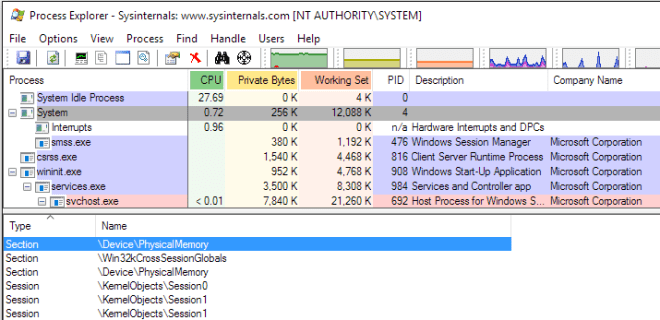
A short while ago, slipstream/RoL dropped an exploit for the ASUS memory mapping driver (ASMMAP/ASMMAP64) which was vulnerable to complete physical memory access (read/write) to unprivileged users, allowing for localRead More →
THE NATIONAL SECURITY AGENCY is researching opportunities to collect foreign intelligence — including the possibility of exploiting internet-connected biomedical devices like pacemakers, according to a senior official. “We’re looking atRead More →
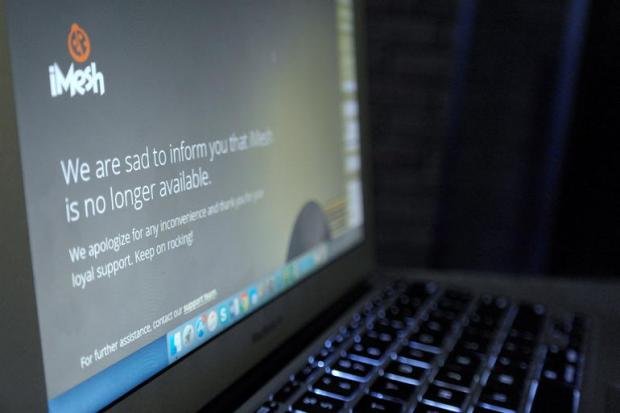
The recently-defunct company was once the third-largest music and video file sharing service in the US. Users accounts for iMesh, a now defunct file sharing service, are for sale onRead More →
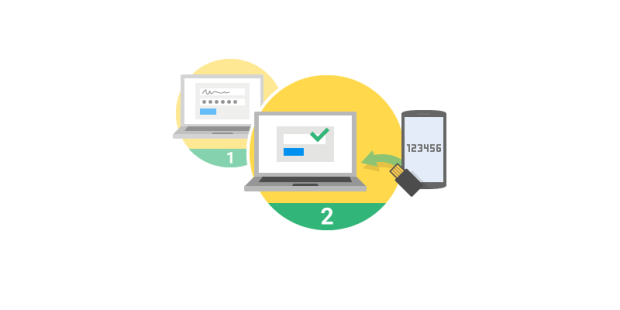
Attackers take social engineering to a totally new level. There’s a sneaky new trick going around that can fool some people into divulging their two-factor authentication code to crooks, while thinkingRead More →
The Bolek banking Trojan is one of the successors of the notorious Carberp Trojan that targets both 32-bit and 64-bit Windows systems. When the source code of the Carberp Trojan wasRead More →
Microsoft says it’s for debugging, not spying. Internet users have pulled out the pitchforks and are once again at odds with Microsoft regarding telemetry data, but this time around it’s becauseRead More →
When Wi-Fi was first developed in the late 1990s, Wired Equivalent Privacy was created to give wireless communications confidentiality. WEP, as it became known, proved terribly flawed and easily cracked.Read More →
When the FBI was trying to break into the San Bernardino shooter’s iPhone, many assumed that the NSA would have the technical capability to do so. Turns out, one ofRead More →
How Chipzilla and Microsoft hope to get one step ahead of hackers. Intel is pushing a neat technique that could block malware infections on computers at the processor level. That’s theRead More →
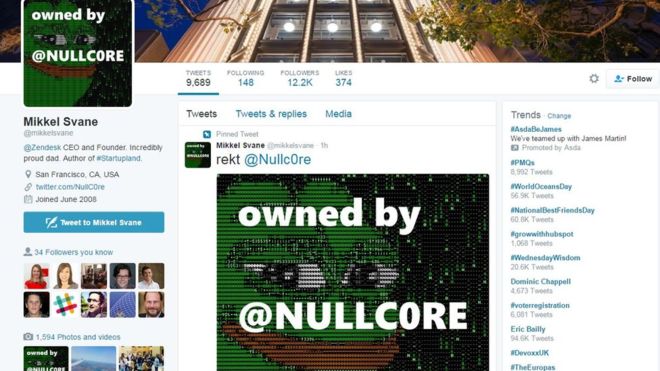
The chief executive of tech support firm Zendesk has become the latest high-profile figure to have his Twitter account hacked. Mikkel Svane’s hijacked account had its ID image changed toRead More →
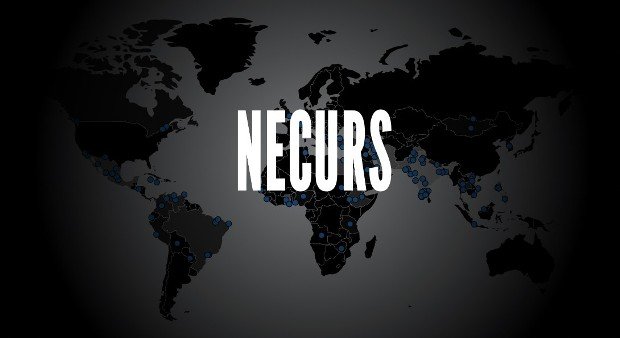
All Necurs activity stopped on June 1, down ever since. The Necurs botnet, the largest malware distribution botnet known today, seems to be facing some technical problems, and the direct consequenceRead More →
In related studies: Ice is cold; fire still hot. Internet file sharing has long been a prime route for malware to spread. The situation is one of the reasons (aside fromRead More →
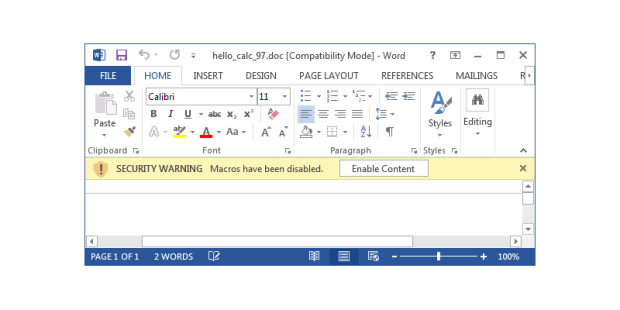
US-CERT warns about a rise in macro malware. Following numerous reports from various security firms about a large number of malware that uses macro scripts in Office documents to spread, theRead More →
Intel Security has recently seen a new kind of ransomware–Zcrypt—that can self-replicate. This “virus ransomware” arrives via email in a malicious attachment or by usurping an Adobe Flash Player installation.Read More →
is the default PDF reader that is included in the Google Chrome web browser. Talos has identified an exploitable heap buffer overflow vulnerability in the Pdfium PDF reader. By simplyRead More →
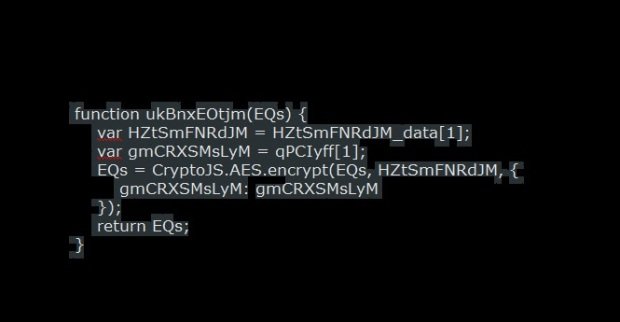
While SNSLocker isn’t a stand-out crypto-ransomware in terms of routine or interface, its coarse and bland façade hid quite a surprise. After looking closer at its code, we discovered thatRead More →
Introduction Satellites have assumed a crucial role in our contemporary society; they are used in both private and public sectors for numerous purposes, from communication to research. Unfortunately, with theRead More →
Passwords for 32 Million Twitter accounts may have been hacked and leaked. After the mega hacks of last month, it is now time for Twitter. But there is a twistRead More →
Recently, I’ve had multiple people ask about port forwards with Cobalt Strike’s Beacon payload. Beacon has had SOCKS proxy pivoting support since June 2013. This feature opens a SOCKS proxy serverRead More →